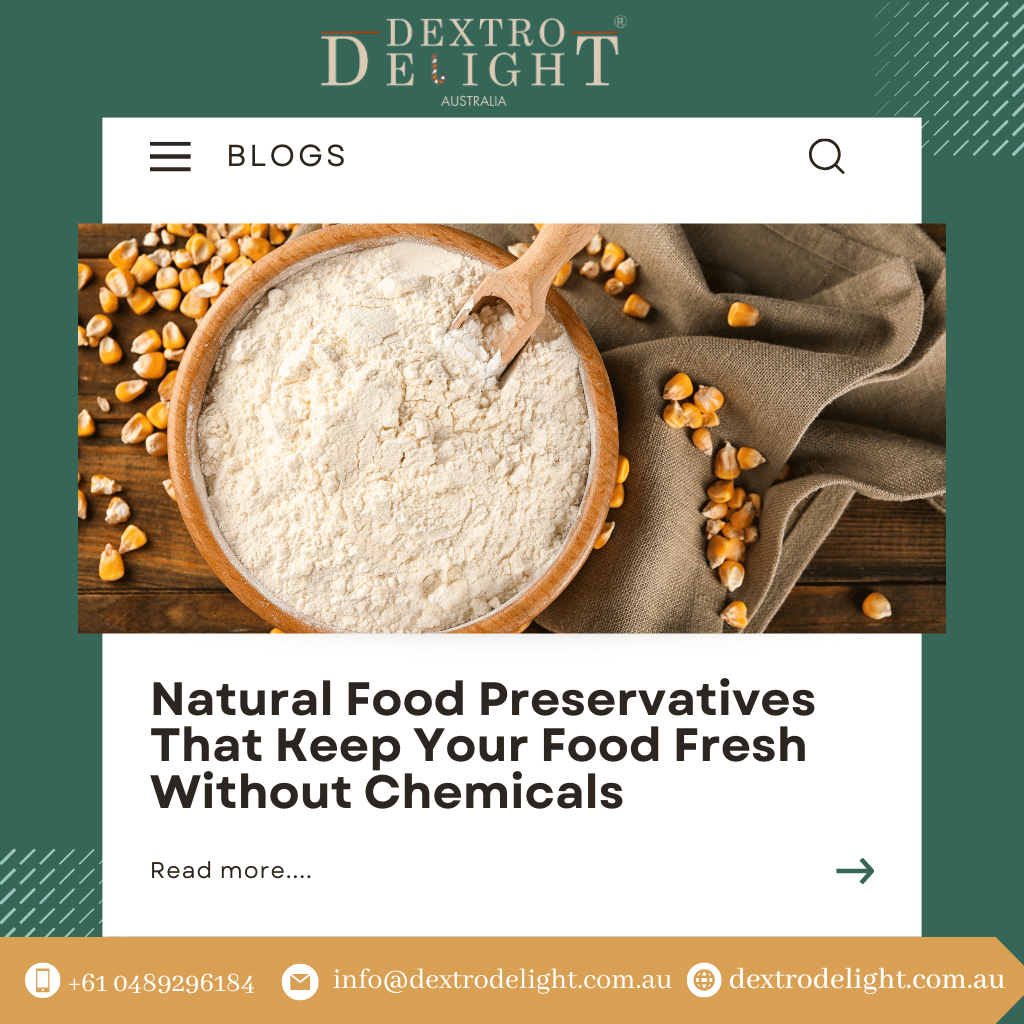
With health-conscious eating on the rise in Australia, more consumers and food manufacturers are asking a simple question: Are there natural ways to preserve food without synthetic chemicals? The answer is yes—and they’re called natural food preservatives.
These are substances derived from plants, minerals, or microbial sources that help extend the shelf life of food without compromising health. Whether you run a small food business or just want safer products at home, switching to natural preservatives can make a big difference. For a variety of safe and effective options, explore our curated list of food preservatives Australia trusts.
What Are Natural Food Preservatives?
Natural food preservatives are compounds found in nature—like salt, sugar, vinegar, lemon juice, and certain herbs—that help delay spoilage and microbial growth in food. Unlike synthetic additives, they don’t contain lab-derived chemicals and are considered safer for long-term consumption.
Why Use Natural Preservatives in Food Products?
Here’s why natural food preservatives are becoming a preferred choice:
- 🧂 Health-Friendly: Less chemical exposure for consumers.
- 🌱 Clean Label Appeal: More transparency on product labels.
- ♻️ Eco-Conscious Production: Better for the environment.
- 🇦🇺 Local Preference: Growing demand for additive-free packaged food in Australia.
Top Natural Food Preservatives and How They Work
Let’s look at the most common and effective natural preservatives:
1. Salt
- How it works: Dehydrates microbial cells.
- Used in: Pickles, cured meats, snacks.
- Bonus: Adds flavour while preserving freshness.
2. Sugar
- How it works: Binds water, inhibiting microbial growth.
- Used in: Jams, jellies, and sweet syrups.
- Note: Use in moderation due to calorie content.
3. Vinegar (Acetic Acid)
- How it works: Lowers pH, creating an acidic environment where bacteria can’t thrive.
- Used in: Pickles, sauces, dressings.
4. Lemon Juice (Citric Acid)
- How it works: Powerful antioxidant and acidifier.
- Used in: Canned foods, beverages, and marinades.
5. Rosemary Extract
- How it works: Natural antioxidant that slows down fat oxidation.
- Used in: Snack foods, meats, and sauces.
- Bonus: Contains anti-inflammatory compounds.
6. Honey
- How it works: Its natural enzymes kill bacteria.
- Used in: Baked goods and preserves.
7. Garlic and Onion Extracts
- How they work: Have antibacterial and antifungal properties.
- Used in: Sauces, seasonings, and savoury snacks.
Natural vs. Synthetic Preservatives: What’s Better?
| Aspect | Natural Preservatives | Synthetic Preservatives |
| Source | Derived from plants, fruits, herbs | Chemically synthesized |
| Health Impact | Generally safer | May cause allergic reactions |
| Shelf Life | Moderate | Longer-lasting |
| Consumer Preference | Growing demand | Slowly declining |
While synthetic preservatives often offer longer shelf lives and lower costs, natural options provide cleaner, more health-aligned alternatives—especially crucial for Australian food brands looking to stand out in today’s health-conscious market.
Safety and Regulations in Australia
According to Food Standards Australia New Zealand (FSANZ), natural food preservatives used in commercial products must still meet safety and efficacy standards. The good news? Most natural options like vinegar, citric acid, and rosemary extract have long histories of safe use in the Australian food industry.
How Natural Preservatives Support Small-Scale Food Businesses
For small to medium-sized food manufacturers, switching to natural preservatives:
- Increases brand trust and consumer loyalty
- Helps cater to health-focused and organic markets
- Enhances product transparency and label value
To make the transition easier, explore top food additives suppliers Australia has to offer. At Dextro Delight, we stock both natural and synthetic food-grade ingredients suited for artisanal and commercial use.
Popular Products That Use Natural Preservatives
| Product Category | Common Preservative Used |
| Artisan Bread | Vinegar, lemon juice |
| Jams and Jellies | Sugar, lemon juice |
| Ready-to-eat Meals | Rosemary extract |
| Organic Sauces | Garlic, vinegar |
| Natural Juices | Citric acid |
Stats Snapshot: Natural Preservative Trends (Australia 2025)
- 🌱 48% of Australians now prefer food labeled “preservative-free” or “natural preservative added.”
- 📈 The clean-label market is expected to grow by 6.2% CAGR from 2024 to 2028.
- 🏪 Small manufacturers make up 40% of natural preservative buyers in the local ingredients market.
DIY Tip: Natural Preservation at Home
Even at home, natural preservatives can extend shelf life:
- Add lemon juice to cut fruits.
- Use vinegar for homemade pickles.
- Store snacks with rosemary sprigs to slow spoilage.
Challenges in Using Natural Preservatives
- ⏳ Shorter Shelf Life: May not be suitable for products needing long-term storage.
- 💰 Higher Costs: Plant-based ingredients are often pricier.
- 🔬 Consistency Issues: Natural ingredients can vary batch-to-batch.
Conclusion: Are Natural Food Preservatives Worth It?
Absolutely. In today’s clean-label, health-driven market, natural preservatives offer a solid edge—especially for Aussie brands looking to appeal to modern consumers. They strike a balance between safety, simplicity, and sustainability. As the trend continues to grow, so does the opportunity for businesses to innovate with clean ingredients.
FAQs – Natural Food Preservatives
1. What are natural food preservatives?
They are compounds found in nature—like salt, vinegar, lemon juice—that help prevent food spoilage without chemicals.
2. Are natural preservatives as effective as synthetic ones?
They work well for short to medium shelf-life products but may not match synthetic preservatives for long-term preservation.
3. Is vinegar a natural preservative?
Yes. Vinegar lowers food pH, making it inhospitable for bacteria.
4. Can natural preservatives replace all chemical ones?
Not always. Some high-risk foods may still require stronger preservation methods, but natural ones work well in many applications.
5. What are the most commonly used natural preservatives in Australia?
Salt, sugar, vinegar, citric acid, and rosemary extract are widely used in Australian food manufacturing.
Related Posts
How to Properly Use Food Thickeners for Consistent Results
Why Australian Food Manufacturers Prefer Local Food Ingredient Suppliers